
The problem came before the screen
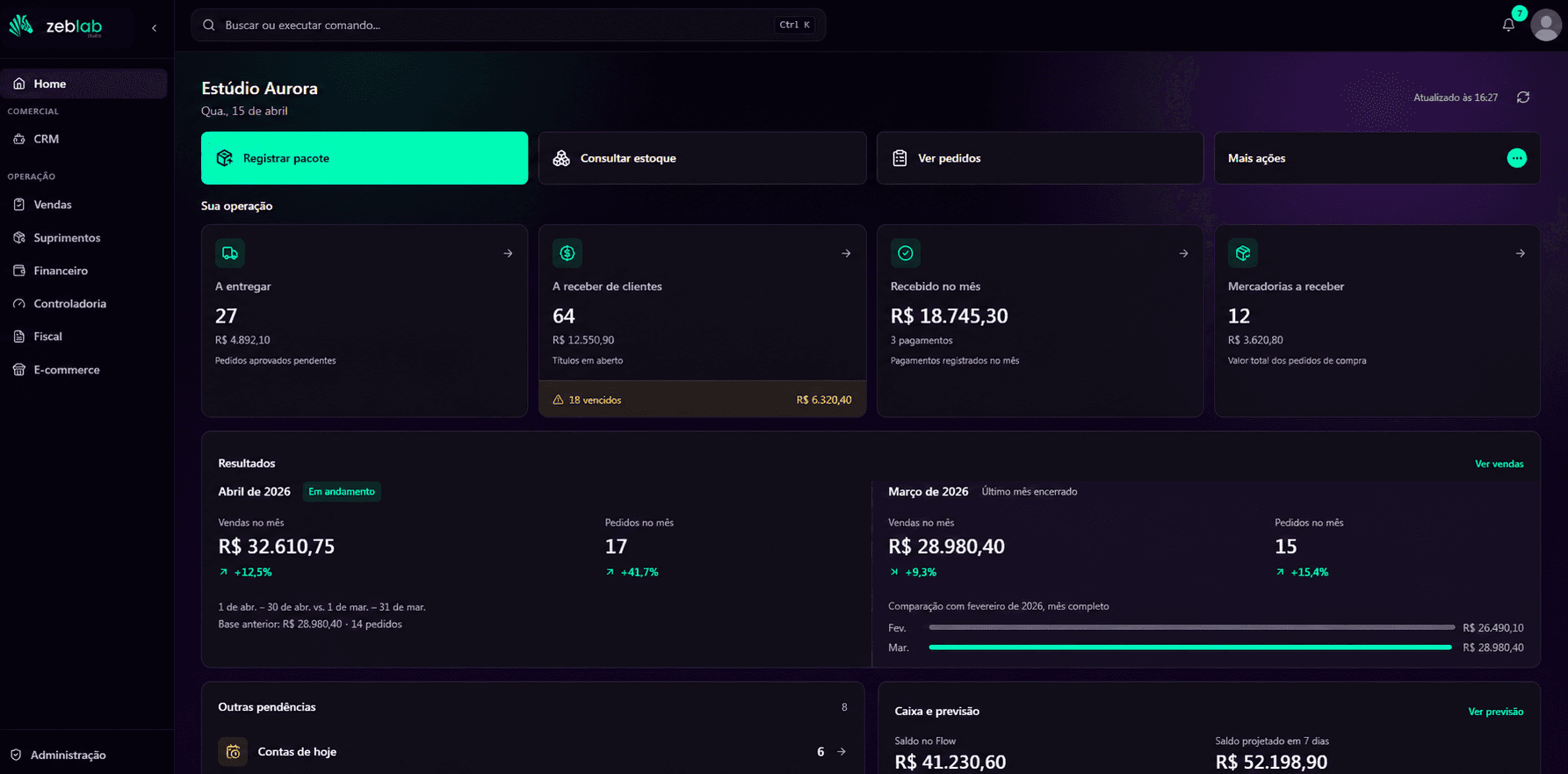
Sales, inventory, finance and customer service often rely on separate tools. Information has to be entered again, checked and reconciled before even a simple decision becomes clear. Flow began with that operational friction, not a wish to pile on features.
The question was how to connect parts of the operation without overlooking their different needs. An order, for example, matters to sales, delivery and finance, yet each team has its own decisions to make.
Build in modules
The answer became a modular platform. CRM, sales, purchasing, inventory, finance and tax workflows share one product foundation, while each area evolves as real use reveals new priorities.
That calls for product decisions beyond the interface: integration with existing systems, isolation of each account's data, clear statuses and ways to review suggestions from automation.
Product work continues after the first version goes into use.
AI in the right place
In Flow, AI supports defined tasks such as organizing information and offering suggestions. Context, review and accountability remain essential to operational decisions.
The clearest lesson is to start with the real workflow. If a feature removes a manual step and clarifies a decision, the product improves. If it makes daily work harder, the design needs another look.